(Another of the projects from my recent MSc in World Heritage Conservation with UCD, with some updates – originally written in 2023. Funding wasn’t available to implement it but it may help others in Heritage Conservation).
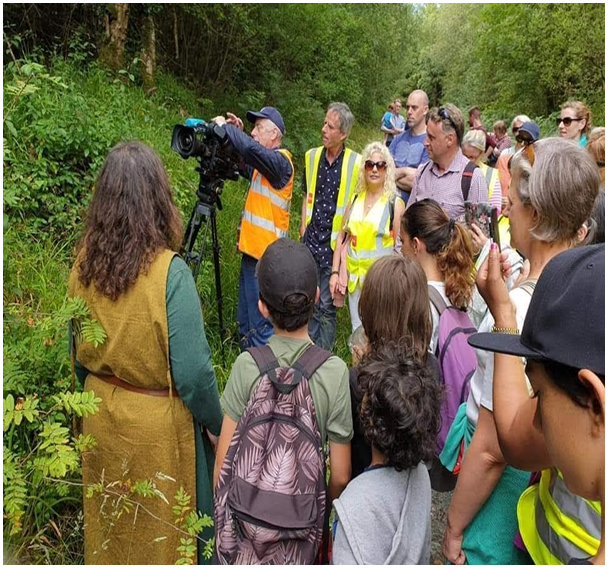
Figure 1: Bilberry Sunday 2018 (Corkery, 2018)
Introduction
Cultural Heritage faces several threats, some are obvious such as armed conflict and natural disasters but the lack of financial resources to maintain, conserve, update the site and pay a workforce is a more frequent and quite a considerable threat (Eppich & García Grinda, 2019). Most States that reported financial concerns to UNESCO in their State of Conservation reports of their World Heritage Sites are lower income states but a third are high income and many European States feel financial pressure is a considerable threat to heritage (Young, 2016). Table 1 : Threats to Outstanding Universal Value as reported by state parties between 1983 and 2017, indicates that 69% of all states reported this threat (Eppich & García Grinda, 2019). It is not surprising therefore, that a small heritage centre in the middle of Ireland, marketed by Fáilte Ireland as “Ireland’s Hidden Heartlands” (Failte Ireland, 2018) has been struggling on a tight budget since it opened. The perception that it is “off the beaten track”, while being just off the N55 and N4 hasn’t helped the situation. This study will examine management issues facing this site, with an emphasis on the lack of financial resources and how it has contributed to other issues and impacted the success of the site. It will then provide a SWOT and PESTEL
analysis and consider solutions to this issue using best practice examples. It will follow up with a Cost/Benefit Analysis and a Project TimeLine with Responsibilities and Deliverables before presenting conclusions and recommendations to the site.

(Eppich & García Grinda, 2019)
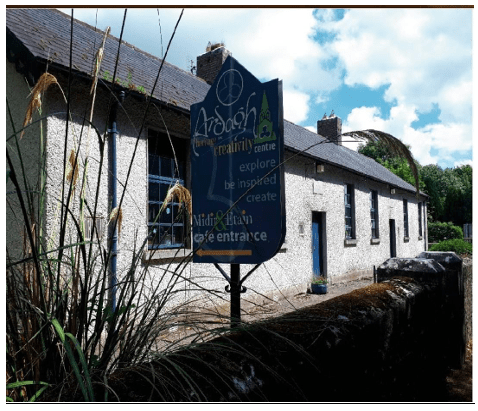
Figure 2: Ardagh Heritage and Creativity Centre (Corkery, 2018)
Background
Ardagh Heritage and Creativity Centre is based in an old school built in 1898 The school was a place of learning until the late 1970s when a heating problem moved the classroom to the local hall. It remained empty until the 1990s when it became one of the first Heritage Centres in the country. When it closed all efforts towards tourism and heritage dwindled. An upmarket restaurant established itself for a brief time in the building and closed at the beginning of the financial crash. In 2011 it became Ardagh Heritage and Creativity Centre (The Centre), which hosted many annual events, school tours and visitors and dignitaries from all over the world. The Centre has a large garden at the rear and side and adjoins a wooded area that was planted with native deciduous forest by The Tree Council of Ireland around thirty years ago (Creative Ardagh, 2023a). The building needs repair and investment is vital to reimagine the future of The Centre. The Centre hosts an exhibition on the history of the area which is rich in stories and legend. The ancient legend of The Wooing of Etain is based at Brí Leith, the hill that watches over the village of Ardagh (Creative Ardagh, 2023b) where nearly 40 ringforts and settlements dot the landscape (Heritage Council, 2019). Excavations uncovered a “King” adorned with a Viking pin, roman pin and Celtic brooch, buried in a carved out oak trunk (Creative Ardagh, 2023c). St. Mel’s crozier was located at another site and a mass “plague” burial. Saints Patrick, Brigid, Mel and Lupita spent time there and the ruins of Mel’s first cathedral and one of Brigid’s wells remind us of the early Christian period (Creative Ardagh, 2023d) It later became a picturesque stone cottage plantation village which inspired Goldsmith to record a humorous event that happened him at the “Big House” in the play “She stoops to conquer”(Creative Ardagh, 2023e). The village won the National Tidy Towns competition three times in a row (Coulter, 1998).
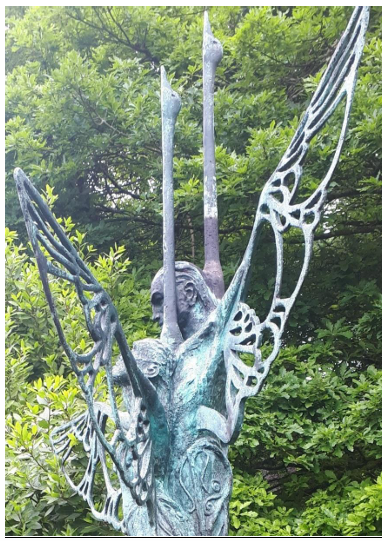
Figure 3: Midir and Etain by Sculptor Eamon O’Doherty (Gerety Smyth, 2014)
Problem/Opportunity/Issue
Without investment or a sharp increase in income The Centre could be said to be in Crisis. Established in 2011 the two business partners who rent the premises from the Local Authority have created an extensive annual event program, hosted birthday parties, rented spaces for meetings, created publications, advertised through all the usual channels, and appeared on national television, radio, print and international publications. People have visited the centre from Australia, Japan, America, and Europe (Creative Ardagh, 2023f). Despite successful events and numerous school and other group tours there has not been a viable income for the partners nor funding for essential maintenance and other staff. The current status of The Centre is summarised below:
- C ost of living crisis means the cost of buses have impacted school tour and
other tour numbers. - R ural setting while beautiful is perceived to be off the beaten path.
- I ncome – With extensive effort the numbers of visitors, media coverage and
online presence increased steadily over the years, but income did not. - S etback – Covid closure has had its impact.
- I nvestment is needed to repair and update the building.
- S chool visits by Creative Ardagh are increasing.
Cost of Living Crisis
The Cost-of-Living Crisis has been impacting the amount of school tours coming to The Centre for quite some time. Schools have had resources cut annually and parents have to budget. Increasingly schools were looking for lower prices as bus costs increased. The Centre had a low-price base from the onset as it was set up in 2011 after a financial crisis had its impact. There was also a noticeable decrease in other groups such as Active Age, Mystery Tours etc and the partners have less to invest in advertising, marketing and materials.
Rural Setting
The Centre is in the small village of Ardagh which is not on the road to any major town. While it is ten minutes from Longford, Ballymahon and Edgeworthstown and just off the N55 and N4 in order to get to Ardagh you must intend to get to Ardagh and this was the main reason for the creation of an annual event programme and a dedicated page on their website with a map they include on printed leaflets (Creative Ardagh, 2023g) :
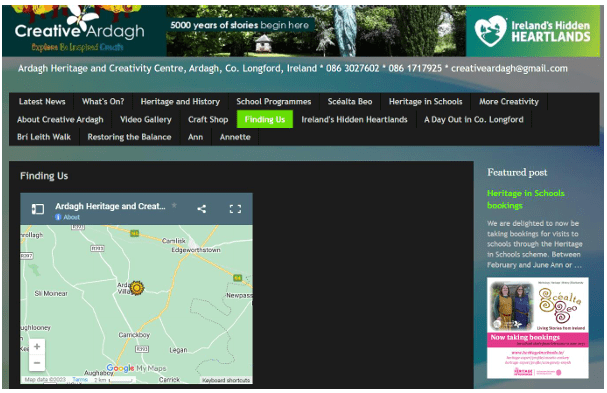
Figure 4 : Ardagh Heritage and Creativity Centre Website – Finding Us (Creative Ardagh, 2023g)
Longford and the Midlands in general have struggled to be a tourist destination. Centerparcs in Longford Forest has resulted in more knowledge of the area however the policy of holiday venues such as Centerparcs tend to be “no leakage”, in other words they strive to ensure that visitors stay in the park.
Income
There is not enough income created to pay the two partners or to employ maintenance and tour guide staff nor to promote or do repairs although as the partners rent from the Local Authority the repairs are in the remit of the Local Authority. Most Heritage Centres are run by Local Authorities, the OPW, the Heritage Council and other public bodies or are Companies limited by guarantee. The Centre was closed for a number of years before the partners who, among others in the community, were saddened to see it closed and unused. They strived since 2011 to promote The Centre, the Village and the County and most of their income which came from group and school tours, events, parties, Creative Ireland and Longford Arts funding and some craft sales went towards rent, advertising and materials.

Figure 5: Map included on Ardagh Heritage and Creativity printed material (Creative Ardagh, 2023g)
Setback
The two year pause of the Covid Pandemic had an impact on The Centre though the partners tried to keep their online presence active and made video content resulting in an award from the Heritage Council. They also put the craft shop online and continued the main annual outside events. However not having the funding to increase marketing to counteract the pause has meant that tour numbers have not increased and the craft shop cost more money than it created. When they were approached by a neighbour who wanted to create a craft shop and coffee shop in the centre of the village, they shut down the website and transferred the craft business, which was in reality a favour to the crafts people of the area and not their main focus, to the new enterprise. Focus was returned to the core business of school programmes.
Investment
It has become increasingly apparent that investment is needed for repairs and maintenance to the building, a revamp of the exhibition and what the building can offer. Pre-Pandemic the Tourism Officer and Heritage Officer visited and with the partners worked on a proposal for a call out to tender for a feasibility study for updating the exhibition, made live and open for tenders on 20 January 2020 and remained as such until sometime between the 11th and 24th October 2024. During the enforced closure period the Local Authority Fire Safety Officer made a visit and confirmed that the heating and electric system needs upgrading. The partners do not have the funds to do the repairs and have sought other strands of income in the meantime.
School Visits
The partners are part of the Science Federation of Ireland Discover Centre Network, and it was a very useful partnership for school tours. When the Heritage Council made a call out for Heritage Specialists to visit schools, they decided this would further compliment the service they offered and applied , were successful, completed the training and began in 2020. They both retrained in areas such as conservation and biodiversity to increase the programmes they could provide. While the pandemic stopped any visits the Heritage Council have been highly active in promoting since and both partners are fully engaged in visiting schools in a 120 km radius. This is extending the customer base for The Centre and providing them with an income until funding is sought to repair the building.
Analysis & Solution
Some observations on The Centre that can focus the analysis are :
1)The Mission Statement of The Centre is to build a place where people have the freedom to be creative, where they feel a real sense of accomplishment, a place that brings out the best in everybody (Creative Ardagh, 2023h). Over the years, this was accomplished through workshops, events, summer schools, tours and exhibitions. They have made considerable achievements. such as the visit of President Higgins in 2014, the nomination for Pride of Place in 2018, winning of a Patrick’s Day Parade Category in 2019, winning of County Heritage Week award in 2021 (Creative Ardagh, 2023f). The lines are blurred within the community mindset regarding the use of the building, there already is a community hall in the village for meetings and if the centre is to be revigorated as a heritage/tourism site the mission and purpose need to be redefined in the eyes of the public. For the past 12 years, the centre has had great support from the public, local and international and should continue to do so for years to come. It is important that the local community see the building and grounds are being maintained and in use.
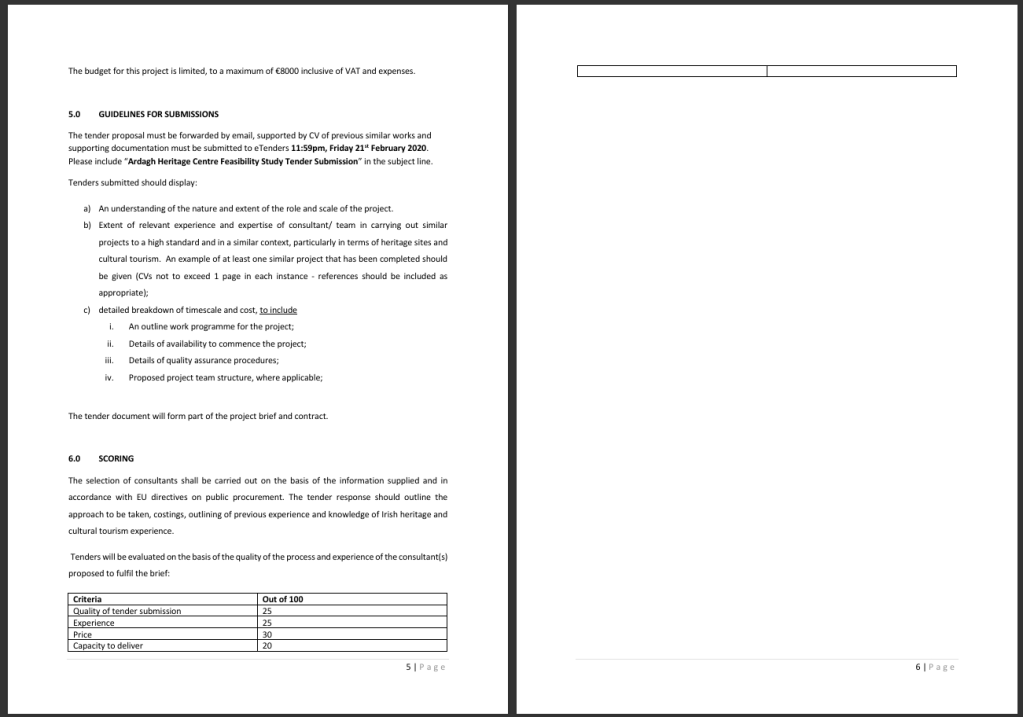
2) There have been attempts at interacting with the Local Authority regarding the building such as inspections by the Fire Safety Officer and Maintenance Section and meetings with The County Heritage Officer and County Tourism Officer before the shutdown of the pandemic regarding a feasibility study to revamp the exhibition which was put out to tender in 2020 but there has been no follow up on this (E Tenders, 2020).
3) It is very difficult for a private partnership to avail of grant funding, many strands of funding require match funding or spending first and claiming a refund after. Much of the funding The Centre received in the past would have been larger under a different structure. Co-ops and Companies limited by Guarantee would be able to avail of more assistance and this might be something the partners should explore, locally the Knights and Conquest Centre in Granard is a Company Limited by Guarantee with a board of directors and was established around the same time as The Centre. They have been able to achieve funding from Fáilte Ireland and the Local Authority and have more support from the local community (Bray, 2019).
5) Being aware of trends in biodiversity and pride of place education the two partners actively pursued courses and skills in these areas during and after the Covid Pandemic. Becoming Heritage in Schools experts was also part of this approach, and this could be incorporated into a plan for upgrading the centre and using the garden and wooded area. More networking with similar groups and with the other local sites and attendance at workshops on tourism and heritage including the recent ‘Inspiring Community Tourism Experiences’ Workshop on 16th November 2023 in the Temperance Hall, Longford, and a series of workshops on Interpretation and Conservation given by The Community Wetlands Forum and all relevant Fáilte Ireland workshops also help provide inspiration for program of events (Community Wetlands Forum, 2023). While this will all enhance the service that can be given at The Centre without the repairs and maintenance, upgrade of heat and electrical systems, upgrade and modernising of the exhibition and finance for staff it will not grow. An analysis of the Strengths and Weaknesses of The Centre along with the Opportunities and Threats that may face it was prepared as seen below in Figure 6:

Figure 6: Swot Analysis
The findings of the SWOT analysis indicate that the most pressing issue for The Centre is the
financial constraints :
- There is an urgent need to address building maintenance.
- Staffing levels are not sufficient.
- Improvement needed for more online presence.
- Educational Outreach is proving successful but needs to be built on.
- Biodiversity initiatives using the garden and wood are an opportunity.
- Collaborative Networking could be built on.
- Proactive engagement with local authorities and the community is
necessary to maintain support and mitigate potential negative impacts
from competition and community dissatisfaction.
Without an influx of financial funding no ambitious plan of revamping the centre, the programs it provides, and the marketing plan can be achieved. A further analysis of the Political, Economic, Sociological, Technological, Legal and Environmental issues or impacts was prepared :

Figure 7: PESTLE analysis
The PESTLE analysis further highlights the external factors influencing The Centre :
- Navigating political challenges with local authorities – there is no councillor from within the village surrounds and The Centre is not a priority.
- Addressing economic constraint
- Managing social dynamics within the community
- Leveraging technological and environmental trends for sustainability and growth.
- Working with Heritage in Schools and exploring more ways to use Biodiversity as a tool seems to be in line with trends.
Approach(es) to the solution
The study by Eppich and García Grinda in 2019 on Sustainable financial management of tangible cultural heritage sites found that while inadequate management and lack of financial resources for conservation and maintenance is a recurring theme, they identified case studies where financial sustainability has been achieved (Eppich & García Grinda, 2019).
According to this study the five components of financial sustainability are:
1) Management Planning
2) Revenue Identification
3) Expenditure Analysis
4) Administration and Strategic Planning
5) Alignment and support of cultural, educational and conservation mission (Eppich & García Grinda, 2019)
Unfortunately, what The Centre has in common with the unsustainable sites is limited funds which means it cannot avail of opportunities. The sites with strong financial health had the following five common characteristics, some of which The Centre has and probably account for its survival to date, others it could improve on:
1) A conducive and open planning environment – less emphasis on a tick box
management plan with more emphasis on encouraging financial planning.
2) Knowledge and education of finance
3) Positive perceptions concerning the importance of finance.
4) Managerial autonomy and
5) Public interest – initiatives to include and encourage local community participation
(Eppich & García Grinda, 2019).
Sites that displayed these characteristics led to better management of existing funding and an environment for innovation(Eppich & García Grinda, 2019). The study found that less successful sites were hesitant to discuss finances or statistics and were prejudiced against the commodification of cultural heritage while the more successful ones were more open to the research. Conclusions drawn by the study were that while overdependence on top-down funding makes a site vulnerable, managers should not be expected to become entrepreneurs and the goal should be to not create a business from cultural heritage but rather to improve fiscal management for greater financial sustainability to conserve the site for future generations. Cultural heritage should be preserved but financial resources are often deficient for this area resulting in commodification which can have value, but it results in a critical balancing act (Eppich & García Grinda, 2019).
The Centre is not a World Heritage Site and is in Rural Ireland. A study that may be drawn from to derive an approach to deal with the issues outlined for The Centre and in particular the underlying lack of finance is one by Bourdin, Wan & Delbos in 2019 (Bourdin, Wan & Delbos, 2019). This study noted that cultural heritage in a city or large population is easily justified and identified as something to preserve with revitalisation following but in a rural setting all three stages of identification, preservation and revitalisation often happen at the same time(Bourdin, Wan & Delbos, 2019). Rural Heritage must prove its usefulness for resources to be used to preserve it (Bourdin, Wan & Delbos, 2019). This is particularly relevant to The Centre. It has proved its use to the President of Ireland and many visitors from all over, yet it is not considered viable to the local authority despite being in a heritage town which
won national and international awards and the mythological and historical significance of the area. If the partnership had not taken on the running of the building in 2011 it would still be empty and going into dereliction like many other buildings in the vicinity. (It now has been empty since 30th December 2024 as St. Mel’s Diocesan Trust informed Creative Ardagh of their claim of ownership on the 6th September 2024 and Longford County Council gave notice to Creative Ardagh to vacate the premises for the 30th December 2024. There appears to have been no due diligence undertaken on this ownership claim with it being accepted as gospel.) The study also noted that a contribution to the tourist economy is often what makes a local authority justify any action on a cultural site (Bourdin, Wan & Delbos, 2019) and the focus in Longford has been on Centerparcs. There is justified reasoning for the emphasis on this large tourism site.
Similar to The Gers in this study Longford does not have the wealth of a seaside or high mountain and Centerparcs offers a large “attractor” being an international reputable tourist destination. It does not however represent the heritage of Longford and while the focus is on it the sites of Corlea Trackway Visitor Centre, Knights and Conquest, Granard, Maria Edgeworths Centre in Edgeworthstown and Ardagh Heritage and Creativity Centre have been somewhat neglected. These already have rich heritage to develop and are in the centre of their communities. Initially Centerparcs was sold to the local community as something that would enhance the economy and increase footfall to local businesses, however it is widely known that the International Tourism company has a policy of “no leakage”, set away from built up areas with a captive consumer market (O’Callaghan, 2008). This is becoming increasingly more obvious to the local community some of whom invested heavily in upgrading restaurants and other businesses. Some have managed with strategically placed signage on roads leading to and from the park to draw custom to their businesses in Ballymahon but it hasn’t extended in any great numbers further afield. There has also been an increase in population due to the employment in the park showing there is economic benefit to the area. The Gers approach was to:
1) Valorise the Agricultural Heritage – The first 10 years saw a concentration on targeting farmers with premises that could be transformed into tourist cottages using European funding, promoting local products and establishing trails (Bourdin, Wan & Delbos, 2019). Longford has established trails, one was visualised by The Centre, starting in the village and linking with Corlea Trackway. The walkway on the hill of Bri Leith in Ardagh was funded through the Towns and Villages Scheme and Longford Tourism (Creative Ardagh, 2023i). It would be worth considering the cottage idea as lack of tourist accommodation has always been a problem in the area. There are farmers markets and a strong network of local products and craft makers. The Centre was central in bringing craft makers together allowing them to use the premises for meeting, stocking craft from over 50 local makers and encouraged many to take part in the Midlands Inside Craft initiative.
2) ‘Tourism of Character’ and Development of the Hotel Industry – Once the interest in developing cottages had dwindled, approximately 10 years, the emphasis was reorientated to searching for “high-range” clientele (Bourdin, Wan & Delbos, 2019). Property owners with significant capital to redesign real estate were encouraged to update their own residences, two or three rooms, offer elements of comfort and aesthetic surroundings, this could include agricultural buildings, mills etc. Ardagh has a “Big House” in the centre of the village with a courtyard and kitchen gardens and many stone cottages and the greater county also has many properties of aesthetic value that could be encouraged with grant aid and other supports to develop. Again, after around 10 years only those serious about the industry will continue to provide this service and at a high level (Bourdin, Wan & Delbos, 2019). Development of events, creation of small hotels and restoration of buildings should follow.
3) Towards Mass Tourism – Major sites is the next step once subsidies for accommodation have ended resulting in a destination for tour operator buses (Bourdin, Wan & Delbos, 2019).
The success of The Gers is due to the work of many actors – The State (Fáilte Ireland equivalent), The local authority, Professional Networks, Intermediaries and Owners and strong coordination between them all. The report concluded that the first action for rural heritage should be the formation of networks and training of the members and then the building of a legitimacy narrative at local level with actions that suit the rhythm of the locality (Bourdin, Wan & Delbos, 2019).
Longford County Development Plan has included Ardagh and The Centre in the Destination Towns – County Policy Objectives (10) and Architectural Heritage Policies – County Policy Objectives (11) among other sections, see below:
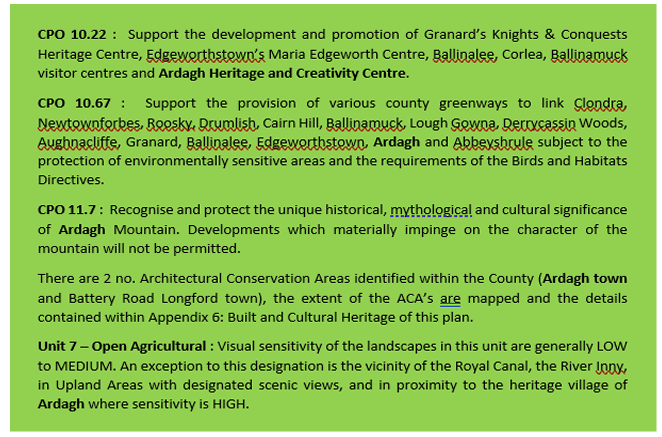
Figure 8 : County Policy Objectives (Longford County Council, 2021).
Drawing from the studies discussed above and the inclusion of The Centre in the County Development Plan the solution to the issue of finance and the other issues related could be summarised as follows :
- G overnance – changing the structure of the governance of the Centre to a Company Limited by Guarantee with a board of directors would bring more financial opportunities in the line of grants and ability to apply for loans while including Local Authority and local community participation would improve relations and introduce new skills to the team to assist in administration and strategic planning while still allowing managerial autonomy.
- R esources – initially focusing on obtaining finance for the repairs needed as a priority would evolve into a catalyst for further change and upgrade of the heritage exhibition and the employment of more skilled staff. At a bare minimum a maintenance, administration and tour guide personnel are required in addition to a manager and program coordinator.
- O pportunity – the mature gardens and biodiversity school programs already designed are an opportunity to align with many of the objectives of the County Development Plan and Climate Change strategies and provide tourism of character and a sense of place for community.
- W – in Win – Developing The Centre will give the opportunity to develop the programs it provides and have a better up to date product to sell to visitors from abroad and the locality. It will benefit the Local Authority as it will fulfil in part the County Policy Objective 10.22 and successfully utilise what they currently consider a nonperforming asset.
Costs/Benefit Analysis
This proposal would be in stages and the initial financial costs involve the repairs of the building which are difficult to estimate at this stage without a further inspection of the building. There are issues with damp, the chimney and plumbing along with the antiquated Light and Heat system. Worst case scenario, assuming a complete renovation within the constraints of planning for a building this old, it could cost up to €1500 per square metre (Buildtech, 2023). Per Figure 9 the building is 435.1 square metres (MyPlan.ie, 2023), rounding up to 440 square metres it could cost in the region of €660,000 to completely renovate the building without considering the upgrade to the heritage exhibition.
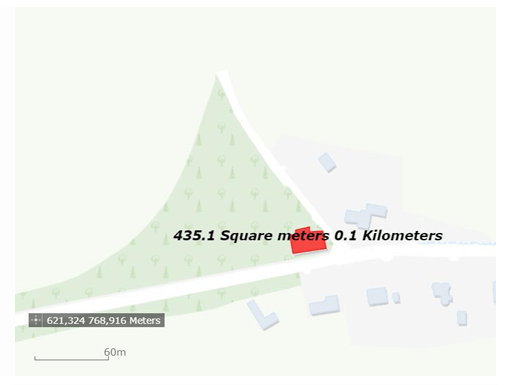
Figure 9 : Site Layout Plan (downloaded from https://viewer.myplan.ie/ 17/12/2023)
Currently the Light and Heat is being paid by the Local Authority for an electrical storage heater system that has not been updated in over thirty years and is not energy efficient or sustainable and whether the partners that currently work from the building stayed or left that cost would still be there as the building contains many artefacts that need to be protected and so the heating would need to be maintained. (Since December 2024 it is unclear if the heating system is still in use or has been cut off by the provider.) Long term it will need to be repaired so by not doing it now is just pushing it further down the line at a higher cost. Allowing for inflation and no renovation done between now and 2050, without estimating the cost of deterioration it could cost €1,466,058 for the same work done (Webster, 2023). In other words, the longer nothing is done the higher the cost will be.
A feasibility study to upgrade the centre would be in the region of €15000 to €30,000 and there are grants available for up to 50% of the cost (Hayden, 2023). As this was already proposed by the Heritage and Tourism Officer and put to tender in 2020 it is likely it will happen again.
The average tour guide wage is €13.07ph according to Payscale.com, if two guides were to be paid for a 30 hour week, maybe overtime on occasion, that would be approximately €25,000 each a year with Employers cost (Payscale, 2023). A manager and event program coordinator would be a further €40,000 min each (Indeed.com.,2023). The partnership cannot fund these but if the structure was changed then grants could be applied for to cover these and The Centre would be able to be always fully functional and open. At the time of preparing this project when the partners were in schools it is closed. Restructuring the governing body would cost approximately €5000 which would result in more access to grant aid which would out way the initial and annual costs thereafter.
Without any of this investment to date the centre has had over 100,000 visitors under the management of Creative Ardagh and many innovative successful events which inspired other centres and groups within and beyond the county. With investment it would increase considerably. The other option is to let the property go to dereliction which will have the intangible cost of public dissatisfaction that is already high with the many other buildings left derelict in the vicinity and with local elections looming (at the time of preparing this project), this is not an option that will appeal to Local Representatives. While the costs of repair and renovation seem daunting at present the cost of not renovating is the loss of a cultural hub in the area and the heritage it protects which is hard to quantify although if just the selling price of the building was considered, the garda barracks which is a quarter of the size, in much worse disrepair and with very little outdoor space sold for €196,000, €70,000 over the asking price (Hunt, 2023).
A summary of the costs versus the benefits or the costs of doing nothing is considered below in Table 2 below. This does not take into consideration the expected revenue once opened which would be considered at feasibility stage and refined at renovation of the exhibition which would also come after the initial repairs.

Project Timeline
(A revised timeline would be needed now – this hopeful timeline of partnership was of the time of the project/assignment)
It is difficult to estimate a timeline for the actions of this project but if it was to begin now and no obstacles were in the path the following is an estimate with responsibilities and deliverables discussed within :
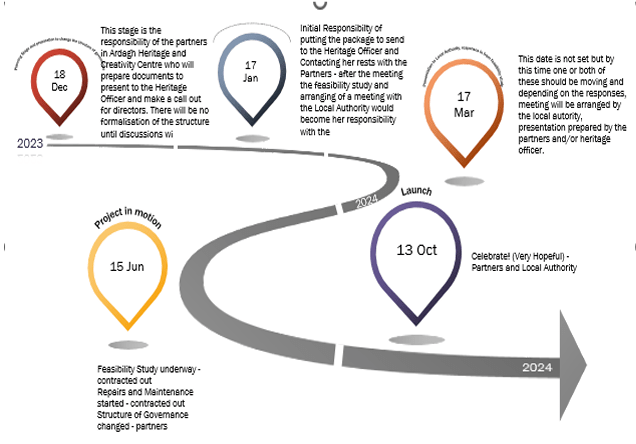
Figure 10: Project Timeline
Conclusions & Recommendations
Conclusions
Ardagh Heritage and Creativity Centre has reached a CRISIS stage, Cost of living crisis impacted the progress it was making with school tours, the Rural setting has proven a hindrance to visits, Income has been hard earned, Covid caused a Setback, Investment is needed to repair and update the building, while in the meantime the partners have a full schedule of visits to Schools through the Heritage in Schools Scheme. Underpinning all of the issues is the lack of financial sustainability which it has in common with 69% of the World Heritage Sites, much larger and more significant than they are. In order for The Centre to become viable and GROW again there has to be a change in the structure of Governance, Resources are required to finance repairs, an upgrade of the exhibition and employment of staff. There is an Opportunity to align the programs in the centre with objectives of the Local Authority resulting in a Win Win for all involved.
Recommendations
1) Before any actions are taken to address the financial issues of The Centre the partners should consider the structure, a company limited by guarantee with a board or a coop. More members would open more doors to finance than a private partnership. This is now up to the “owners” and a local group willing to get involved.
2) Create a presentation for the local authority and councillors to outline all that has been achieved to date in the centre and make a case to show how it is worth investing in maintaining the building. This is again the remit of future managers, Creative Ardagh will, as always, give assistance to the local community.
3) Once the repairs and maintenance issues are in order the plan to upgrade the
exhibition should be revisited with the Heritage Officer and Tourism Officer, relevant financing bodies.
4) Research what strands of finance are available or could be made available for programmes, marketing, and staff.
5) Recruitment and Training of Staff.
6) Rebranding and Launching.
NOTES:
Invitation to Tender no longer available online:


BIBLIOGRAPHY
Bray, J. (2019). Regeneration of Boyle and Athenry among 66 projects to get funds. [online] The Irish Times. Available at: https://www.irishtimes.com/news/politics/regeneration-of
boyle-and-athenry-among-66-projects-to-get-funds-1.3794431. [Accessed 17 Dec. 2023].
Bourdin, A., Wan, T. & Delbos, P. (2018). Tourism and Rural Heritage: A Win-Win Relation? The Conditions of Heritage Making in Touristic Rural Regions. Built Heritage 3, 24–36 (2019). Available at: https://doi.org/10.1186/BF03545725. [Accessed: 15 Dec. 2023].
Buildtech, (2023). Renovating an Old House in Ireland: Challenges & Solutions. [online] Available at: https://buildtech.ie/blog/renovating-old-house [Accessed 18 Dec. 2023].
Community Wetlands Forum, (2023). Events | Community Wetlands Forum. [online]
Available at: https://communitywetlandsforum.ie/events/ [Accessed 18 Dec. 2023].
Corkery, A. (2018) Bilberry Sunday, [Photograph]
Corkery, A. (2018) Ardagh Heritage and Creativity Centre [Photograph]
Coulter, C. (1998). Tidy Town award goes to Ardagh for the third time in 10 years. [online]
The Irish Times. Available at: https://www.irishtimes.com/news/tidy-town-award-goes-to
ardagh-for-the-third-time-in-10-years-1.193275. [Accessed 18 Dec. 2023].
Creative Ardagh. (2023a). The Big House and Model Estate Village. [online], Available at: https://creativeardagh.blogspot.com/p/blog-page_27.html. [Accessed 15 Dec. 2023].
Creative Ardagh. (2023b). Midir and Etain. [online] Available at: http://creativeardagh.blogspot.com/p/midir-and-etain.html. [Accessed 15 Dec. 2023].
Creative Ardagh. (2023c). The King at the Back of the Hill. [online] Available at:
https://creativeardagh.blogspot.com/p/the.html. [Accessed 15 Dec. 2023].
Creative Ardagh. (2023d). St. Mel, St. Patrick, St. Brigid and Ardagh. [online] Available at: http://creativeardagh.blogspot.com/p/st-mel-st-patrick-st-brigid-and-ardagh.html.
[Accessed 15 Dec. 2023].
Creative Ardagh. (2023e). The Big House and Model Estate Village. [online], Available at: https://creativeardagh.blogspot.com/p/blog-page_27.html. [Accessed 15 Dec. 2023].
Creative Ardagh. (2023f). Creative Ardagh. [online] Available at:
https://creativeardagh.blogspot.com/p/about-us.html. [Accessed 18 Dec. 2023].
Creative Ardagh. (2023g). Finding Us. [online] Available at:
https://creativeardagh.blogspot.com/p/finding-us.html. [Accessed 18 Dec. 2023].
Creative Ardagh. (2023h). President Michael. [online] Available at
https://creativeardagh.blogspot.com/p/president-michael.html. [Accessed 18 Dec. 2023].
Creative Ardagh. (2023i). bri-leith-walk [online] Available at
https://creativeardagh.blogspot.com/p/bri-leith-walk.html. [Accessed 18 Dec. 2023].
Eppich, R., & García Grinda, J. L. (2019). Sustainable financial management of tangible
cultural heritage sites. [online], [Tangible cultural heritage sites] Journal of Cultural
Heritage Management and Sustainable Development, 9(3), 282-299. Available at:
https://doi.org/10.1108/JCHMSD-11-2018-0081. [Accessed 15 Dec.2023].
E-Tenders, (2020). Public RFT – A Feasibility Study For The Upgrade And Development Of The Cultural/Heritage Tourism Potential Of Ardagh Heritage Centre, Co. Longford. [online] Available at: https://irl.eusupply.com/ctm/Supplier/PublicPurchase/161590/0/0returnUrl=ctm/Supplier/publictenders. [Accessed 18 Dec. 2023].
Failteireland.ie. (2018). Failte Ireland – Ireland’s Hidden Heartlands | Fáilte Ireland.
[online], Available at: https://www.failteireland.ie/IrelandsHiddenHeartlands.aspx.
[Accessed: 15 Dec. 2023].
Gerety Smyth, A. (2014) Midir and Etain by Sculptor Eamon O’Doherty, [Photograph]
Hayden, M. (2023). Feasibility Study Grant. [online] http://www.localenterprise.ie. Available at: https://www.localenterprise.ie/DLR/Financial-Supports/Feasibility-Grant/. [Accessed 18 Dec. 2023].
Heritage Council (2019). ArcGIS Web Application. [online] Available at:
https://www.heritagemaps.ie/WebApps/HeritageMaps/index.html. [Accessed 15 Dec.
2023].
Hunt, J. (2023). Arresting developments: Former Garda stations fit for conversion [online] The Irish Times. Available at:
https://www.irishtimes.com/property/residential/2023/12/06/arresting-developments former-garda-stations-fit-for-conversion/. [Accessed 18 Dec. 2023].
Indeed.com. (2023). Heritage manager salary in Ireland. [online]. Available at:
https://ie.indeed.com/career/heritage-manager/salaries. [Accessed 17 Dec. 2023].
LongfordCoCo. (2021). Longford County Development Plan 2021 – 2027. [online] Available at: https://www.longfordcoco.ie/services/planning/longford-county-development-plan 2021-2027/. [Accessed 12 Dec. 2023].
MyPlan.ie (2023).[online] ArcGIS Web Application. Available at: https://viewer.myplan.ie/. [Accessed 17 Dec. 2023].
O’Callaghan, T. (2008). CenterParcs. The Journal of Architecture, 13(6), pp.675–700. doi: https://doi.org/10.1080/13602360802573827. [Accessed 17 Dec. 2023].
Payscale (2023). Tour Guide Hourly Pay in Ireland in 2023 | PayScale. [online] Available at: https://www.payscale.com/research/IE/Job=Tour_Guide/Hourly_Rate. [Accessed 18 Dec. 2023].
Webster, I. (2023). 2050 Inflation Prediction | Future Euro Inflation Calculator. [online] Available at: https://www.in2013dollars.com/predict-euro-inflation [Accessed 18 Dec. 2023].
Young, C. (2016), Understanding management in a World Heritage context: key current issues in Europe Journal of Historic Environment: Policy, 7 (2-3), 189.


A very interesting and comprehensive study.
LikeLike
Thanks Eileen.
LikeLike